
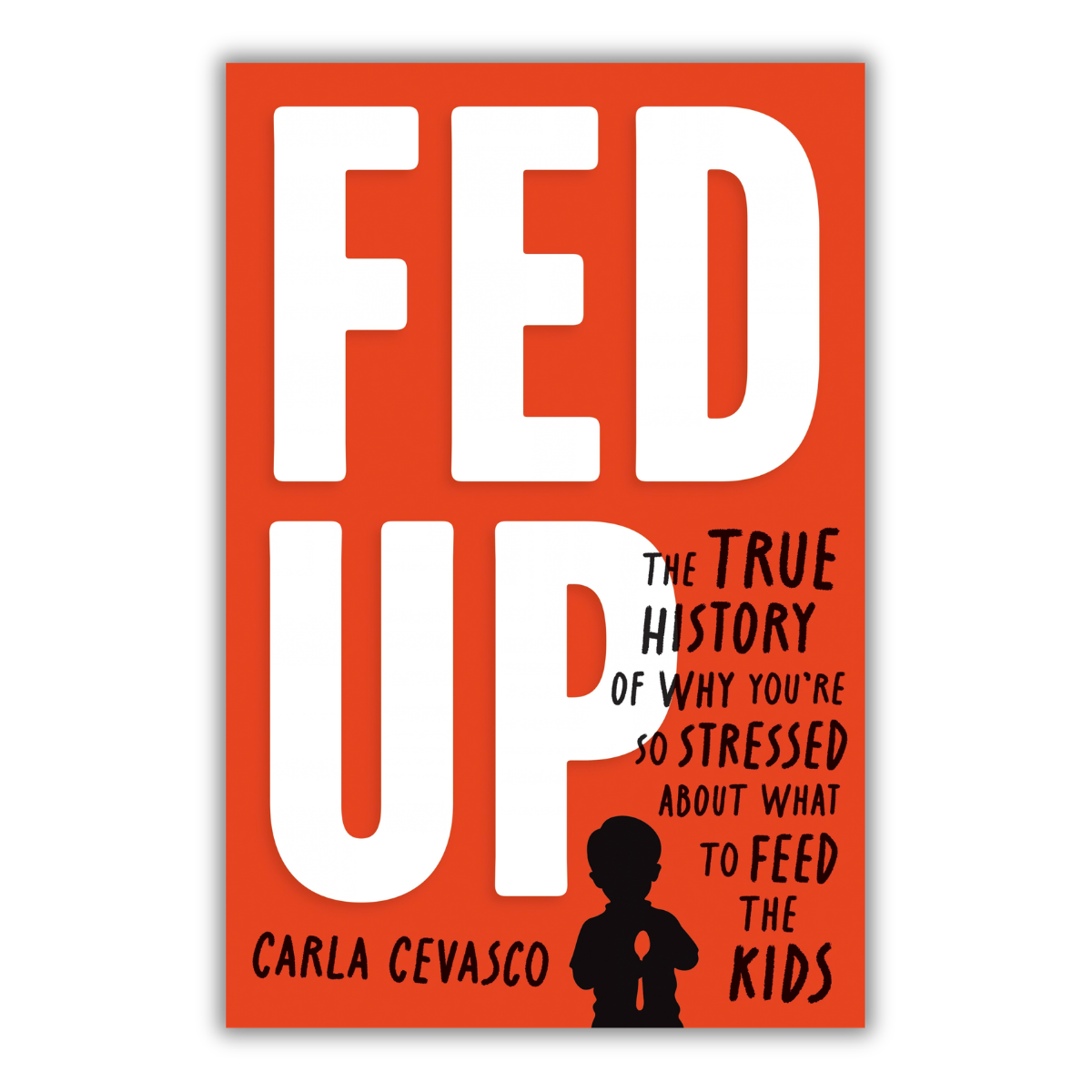
Fed Up: The True History of Why You’re So Stressed About What to Feed the Kids
Publication date: April 13, 2027
Published by The University of North Carolina Press / W. Hodding Carter III Books
How your child’s lunch box became part of today’s culture wars—and how we might push back.
What should we have for dinner? This question has preoccupied parents and caregivers for centuries, and for reasons that go beyond fussy palates. Breast milk vs. formula, all-beige dishes vs. colorful organic meals, industrially produced vs. home cooked: No parent is immune to the cascade of advice about what to feed the kids—or the searing judgment for those who break the “rules.” But who decides what’s the right way to feed America’s children in the first place? Leading food historian Carla Cevasco shows how ideas that govern the foods we give our kids have changed—often dramatically— but they have always been shaped by the sharp inequalities that have defined our nation from its beginning.
Fed Up is the first book to trace how Americans have fed children from the colonial era to the present. From the Wabanaki baby food that saved a baby from starvation in eighteenth-century New England to the recipes that an enslaved mother used to help her children survive to the rise of TikTok to tradwives and their dire prescriptions for twenty-first-century parents, Cevasco explores how battles over race, immigration, colonialism, and gender have influenced what does—and doesn’t—end up on children’s plates. She interweaves this larger history with narratives about the pressure that today’s parents all too often face, including her own struggles to ensure that her children, born prematurely, received the nutrition they needed.
Smart, surprising, and deeply relevant for anyone who has worried about what to put in a lunch box, Fed Up shows how feeding children became so fraught—and why understanding that history might help us stop blaming parents and start asking better questions about how we feed all our kids.
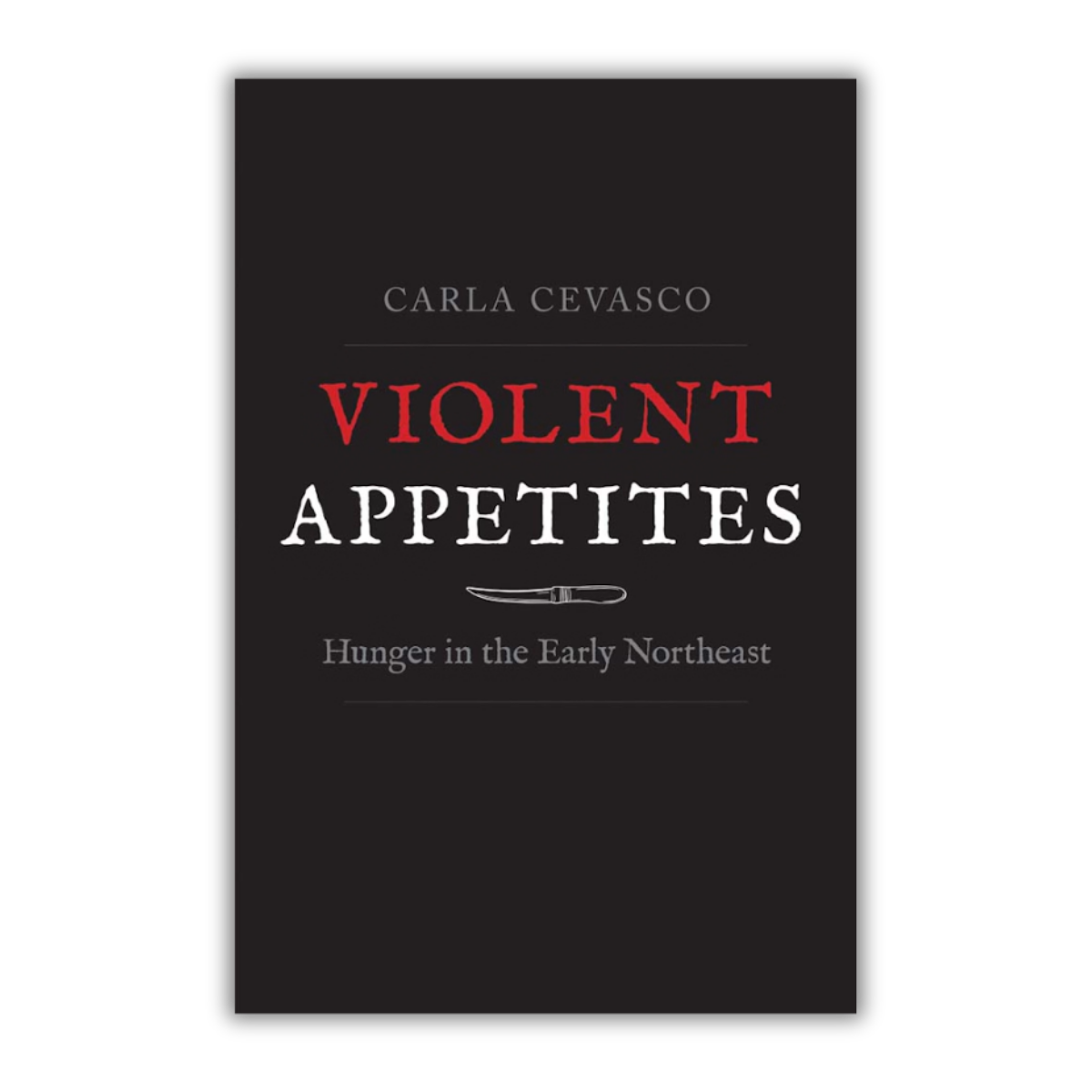
Violent Appetites: Hunger in the Early Northeast
In Violent Appetites: Hunger in the Early Northeast, Carla Cevasco reveals the disgusting, violent history of hunger in early northeastern North America. Native Americans and European colonists, locked in constant violence, repeatedly faced the pain of hunger and the struggle for resources, which would transform the meanings of hunger across cultures. Cevasco emphasizes the precarity of the colonial project as well as Native strategies of resistance to both hunger and colonial invasion. By foregrounding hunger, she breaks new ground, opening food studies to a study of scarcity rather than plenty.
Reviews: Journal of American History, William and Mary Quarterly, Gastronomica, H-Net, The Recipes Project

